Views: 0 Author: Site Editor Publish Time: 2025-10-28 Origin: Site


Ever wonder how industries achieve precise metal shaping? Hydraulic Electrical Upsetting Machines are the answer. These machines revolutionize modern manufacturing with their unique combination of hydraulic force and electrical heating. In this post, you'll learn about their definition, importance, and key features.
Hydraulic electrical upsetting machines combine hydraulic force and electrical heating to shape metal bars. The process starts by clamping a metal bar between electrodes. An electric current passes through the bar, heating a specific area by resistance. This localized heating softens the metal, making it easier to deform. Simultaneously, a hydraulic system applies axial force to the heated region, causing the metal to upset or swell in diameter. The result is a controlled enlargement of the bar’s cross-section in the targeted area, ready for further forging or machining.
Hydraulics provide the necessary force to deform the heated metal. Hydraulic cylinders deliver powerful, precise axial pressure to the workpiece. Because hydraulic systems use pressurized fluid, they can generate high force while maintaining smooth, controlled motion. This control is essential for achieving consistent upsetting without damaging the metal. The hydraulic system also allows adjustments in force and speed, adapting to different materials and sizes. Additionally, hydraulic power units often include accumulators, which store energy and release it when needed, improving efficiency and reducing energy consumption.
The electrical upsetting process relies on Joule heating — electric current flowing through the metal creates heat due to resistance. Only a short section of the bar is heated, minimizing energy use and preventing overheating of the entire piece. Electrodes clamp the bar ends and pass current through the desired upsetting zone. The heated zone softens, and the hydraulic system pushes the metal to form a larger diameter bulge. The process is monitored closely, controlling parameters like current intensity, force, and electrode position to ensure uniformity and repeatability. After upsetting, the part can be forged further without additional heating, saving time and energy.
Hydraulic electrical upsetting machines offer remarkable precision in shaping metals. The combination of hydraulic force and electrical heating allows for accurate control of material deformation. This precision ensures consistent quality, reducing waste and rework. The hydraulic system delivers steady, adjustable pressure, while the electrical heating targets only the specific area needing deformation. This focused approach minimizes thermal distortion and improves dimensional accuracy.
Efficiency is another key benefit. The process heats only a small section of the metal bar, saving energy compared to heating the entire piece. The hydraulic system applies force smoothly and quickly, speeding up production cycles. This synergy between hydraulic power and electrical heating reduces cycle times, increasing throughput without sacrificing quality. As a result, manufacturers can meet high-volume demands while maintaining exacting standards.
Hydraulic electrical upsetting machines are designed to be energy efficient. Unlike traditional methods that heat large areas or entire parts, these machines localize heating, cutting power consumption significantly. This targeted heating reduces energy waste and lowers operational costs.
Moreover, hydraulic systems use pressurized fluids to generate force, which is highly efficient compared to mechanical or purely electrical alternatives. The use of accumulators in hydraulic units stores energy, releasing it when needed, which smooths power demands and reduces peak energy use.
Environmentally, these machines produce fewer emissions and less heat loss. They avoid the need for large furnaces or ovens, which often consume fossil fuels or electricity inefficiently. Additionally, hydraulic fluids used are typically recyclable and pose less risk of sparks or fires, making them safer for sensitive environments.
Hydraulic electrical upsetting machines are highly versatile and adaptable across industries. They handle a wide range of metals, including steel, stainless steel, titanium, and alloys. The machines can upset bars at one end, both ends, or even in the middle, allowing complex shapes and preforms.
This versatility suits various manufacturing needs, from automotive shafts and aerospace components to heavy machinery parts. The machines accommodate different sizes and shapes, supporting both small-scale precision work and large-scale industrial production.
Adjustable parameters such as hydraulic pressure, current intensity, and electrode positioning enable customization for specific materials and part designs. This flexibility helps manufacturers optimize processes for cost, speed, and quality, making hydraulic electrical upsetting machines a valuable asset in modern manufacturing.
Hydraulic electrical upsetting machines play a vital role in automotive manufacturing. They produce key components like transmission shafts, axle shafts, and hydraulic couplings with high precision. The process allows for forming complex shapes by enlarging metal bar ends or midsections, which are then forged into final parts. This method maintains grain flow continuity, enhancing mechanical strength and durability—critical for automotive safety and performance. Additionally, the machines help reduce raw material waste and machining time, lowering production costs. Their ability to quickly produce repeatable, high-quality preforms supports the automotive industry's demand for mass production and tight tolerances.
In aerospace, components must meet stringent standards for strength, weight, and reliability. Hydraulic electrical upsetting machines are ideal for manufacturing aerospace parts such as turbine shafts, hydraulic couplings, and structural elements from materials like titanium and stainless steel. The localized heating and precise hydraulic force enable shaping without compromising material integrity. This process preserves the grain structure, improving fatigue resistance and mechanical properties vital for aerospace applications. The machines’ versatility allows for forming parts with complex geometries while reducing machining steps, saving time and cost in aerospace production.
The construction and heavy machinery industries benefit from hydraulic electrical upsetting machines by producing robust parts like drive pins, piston rods, and axle components. These machines handle large metal bars, applying controlled heat and force to create enlarged sections that serve as preforms for forging. This approach enhances part strength and extends service life under heavy loads and harsh conditions. The ability to customize upsetting parameters makes these machines suitable for diverse materials and part sizes, meeting the varied needs of construction equipment manufacturers. Their efficiency and precision contribute to faster production cycles and lower operational costs.
Tip: Regularly inspect and maintain electrode contact surfaces to ensure consistent electrical heating and optimal upsetting quality across all applications.
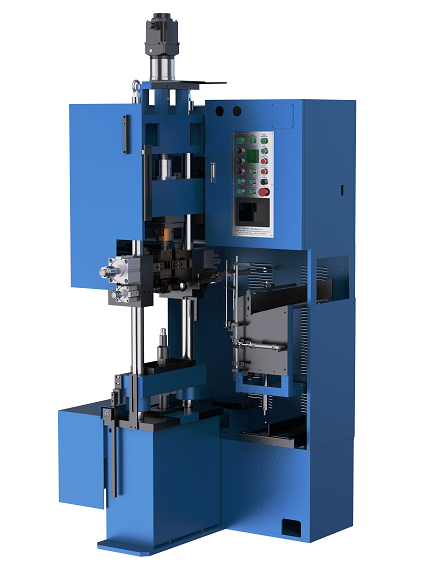
Hydraulic electrical upsetting machines outperform traditional machining methods in efficiency and cost savings. Traditional machining often requires multiple steps, including cutting, heating, and forging, which consume time and resources. In contrast, hydraulic electrical upsetting combines heating and shaping in one process, reducing cycle times significantly. The localized electrical heating targets only the deformation zone, minimizing energy waste compared to furnace heating entire parts.
This streamlined process lowers labor costs and speeds production, making it ideal for high-volume manufacturing. By producing near-net-shape preforms, these machines reduce the amount of material removed during later machining stages. Less machining means less tool wear and shorter machine operation times, further cutting expenses. Overall, manufacturers benefit from faster turnaround and lower production costs.
Hydraulic electrical upsetting machines conserve both material and energy better than traditional techniques. The process preserves grain flow by deforming heated metal in a controlled manner, enhancing mechanical properties and reducing scrap rates. Traditional machining often removes large amounts of metal as chips, wasting expensive raw materials.
Energy use is also optimized. Electrical heating focuses only on the upsetting area, avoiding the need to heat the entire workpiece. This targeted approach saves substantial energy compared to conventional furnaces or ovens. Hydraulic systems use efficient fluid power to apply force, and accumulators store and recycle energy during operation, reducing overall consumption. These machines thus support sustainable manufacturing goals by lowering waste and energy demands.
Hydraulic electrical upsetting machines deliver superior quality and consistency over traditional machining. The precise control of hydraulic pressure and electrical current ensures uniform deformation and dimensional accuracy. This consistency reduces the need for rework or inspection, improving throughput.
Moreover, the process maintains the metal’s grain structure, resulting in stronger, more reliable components. Traditional machining can disrupt grain flow and introduce residual stresses, weakening parts. Hydraulic electrical upsetting produces preforms with enhanced mechanical properties, ideal for critical applications in automotive and aerospace sectors.
The repeatability of this process also supports tight tolerances and complex shapes. Manufacturers can achieve high-quality outputs batch after batch, meeting stringent industry standards with less variability.
Hydraulic electrical upsetting machines face several technical and operational challenges. Precise synchronization between hydraulic pressure and electrical current is critical. Any mismatch can cause uneven heating or deformation, leading to defects. The electrical contacts, especially the electrodes and clamping jaws, wear out over time due to repeated high-current flow and mechanical stress. This wear affects contact quality, reducing heating efficiency and upsetting consistency.
Temperature control is another challenge. Although the process focuses on localized heating, maintaining stable heat levels requires constant monitoring. Variations in material properties or surface conditions can cause fluctuations in resistance heating, impacting the upset shape. Additionally, the hydraulic system must deliver consistent force at varying speeds, which demands high-quality components and precise control systems.
Operating these machines requires skilled technicians who understand both hydraulic and electrical systems. Improper settings or handling can lead to equipment damage or poor product quality. Moreover, the complexity of integrating hydraulics and electrical controls increases the potential for system malfunctions, requiring robust troubleshooting skills.
Maintenance of hydraulic electrical upsetting machines is vital to ensure reliability and longevity. The hydraulic components—pumps, valves, cylinders, and accumulators—need regular inspection for leaks, contamination, and wear. Hydraulic fluid quality must be maintained, as dirt or moisture can damage sensitive parts and degrade performance.
Electrodes and jaws require frequent cleaning and replacement to maintain good electrical contact. Surface oxidation or contamination can increase resistance, reducing heating efficiency and causing inconsistent upsetting. Monitoring electrical connections and insulation is also critical to prevent shorts or electrical failures.
Preventive maintenance schedules should include calibration of hydraulic pressure and electrical current controls. This ensures the machine operates within specified parameters, maintaining product quality and reducing downtime. Additionally, software and control systems need updates and checks to avoid operational errors.
Innovations in materials, sensors, and control technology help overcome these challenges. Advanced electrode materials with higher wear resistance extend service life and improve contact reliability. Real-time monitoring systems using sensors can track temperature, pressure, and current, allowing automatic adjustments to maintain optimal conditions.
Integration of smart control systems and artificial intelligence enables predictive maintenance, identifying potential faults before failures occur. This reduces unplanned downtime and maintenance costs. Improved hydraulic components, such as low-friction seals and contamination-resistant fluids, enhance system durability and efficiency.
Modular machine designs simplify maintenance by allowing quick replacement of worn parts. Additionally, training programs and simulation tools help operators understand complex interactions between electrical and hydraulic systems, improving operational skills and reducing errors.
Hydraulic electrical upsetting machines continue evolving through advanced technology. Modern systems integrate smart sensors that monitor temperature, force, and current in real time. These sensors allow automatic adjustments, ensuring consistent quality and reducing operator error. Artificial intelligence (AI) and machine learning algorithms analyze production data to optimize parameters, predict maintenance needs, and minimize downtime.
Material science advances also impact these machines. New electrode materials with higher durability extend service life and improve contact reliability. Innovations in hydraulic fluids reduce friction and wear, enhancing system efficiency. Moreover, compact and energy-efficient hydraulic power units (HPUs) are being developed to reduce footprint and power consumption.
Control systems are becoming more user-friendly. Touchscreen interfaces and remote monitoring enable operators to manage the machines more easily, even from off-site locations. Integration with Industry 4.0 platforms supports seamless data exchange and process automation across manufacturing lines.
Demand for hydraulic electrical upsetting machines is growing, driven by industries requiring high precision and efficiency. Automotive and aerospace sectors lead the adoption, seeking lightweight, strong components made from advanced alloys. The construction and heavy machinery markets also benefit from these machines’ ability to handle large, complex parts.
Emerging markets in Asia and South America show increasing interest as manufacturers modernize operations. The push for sustainable manufacturing encourages companies to invest in energy-saving technologies like hydraulic electrical upsetting. Government incentives for green manufacturing further boost market growth.
Customization services are expanding. Manufacturers want machines tailored to specific materials, part sizes, and production volumes. Suppliers offering modular designs and flexible configurations gain competitive advantages.
Hydraulic electrical upsetting technology reshapes manufacturing globally by improving productivity and sustainability. Its precise control reduces scrap rates and raw material waste, lowering costs and environmental impact. Faster cycle times help meet tight delivery schedules and respond to market demands swiftly.
The technology supports producing complex parts with superior mechanical properties, enhancing product performance and safety. This capability is crucial in sectors like aerospace, where reliability is non-negotiable.
As digitalization spreads, these machines become integral to smart factories. Their data-driven operation enables continuous improvement and adaptive manufacturing strategies. This evolution fosters global competitiveness for manufacturers adopting the technology.
Hydraulic electrical upsetting machines offer high precision, energy efficiency, and versatility. These benefits enhance manufacturing processes across various industries, including automotive and aerospace, by reducing waste and improving product quality. The long-term implications include increased productivity and sustainability, essential for competitive manufacturing. As industries increasingly adopt this technology, its integration promises significant advancements in production capabilities. Jianuohao provides cutting-edge solutions with these machines, ensuring value through advanced features and exceptional service, making them a valuable investment for modern manufacturers.
A: A Hydraulic Electrical Upsetting Machine uses hydraulic force and electrical heating to shape metal bars, offering precision and efficiency in metal deformation.
A: It saves energy by localizing electrical heating to specific metal sections, reducing power consumption compared to traditional methods.
A: They offer high precision, energy efficiency, and versatility, making them ideal for automotive, aerospace, and heavy machinery industries.
A: Common issues include synchronization challenges between hydraulic and electrical systems and wear on electrodes and clamping jaws.


