Views: 0 Author: Site Editor Publish Time: 2025-10-30 Origin: Site


Hydraulic Electrical Upsetting Machines are essential in manufacturing industries, combining electrical heating with hydraulic pressure for precise and efficient metal forming. These machines are designed for high-performance and are widely used in automotive, ship manufacturing, and metal fabrication. By using hydraulic and electrical systems, they offer advanced capabilities for shaping and forming metal materials in a cost-effective and energy-efficient manner.
Hydraulic Electrical Upsetting Machines use electrical heating as a key part of their process. They pass a high electric current at low voltage through a metal bar. This current heats the bar due to its electrical resistance, causing the metal to reach a plastic state suitable for shaping. The heating starts inside the bar and moves outward, ensuring a uniform temperature and preserving the metal’s internal structure. This method reduces scale formation on the surface, which often happens in traditional heating methods.
The heated section becomes soft and ready for deformation without affecting the rest of the bar. This precise heating means only the necessary part is heated, saving energy and improving efficiency. The electrical heating also allows for fast temperature control, which is critical for maintaining product quality.
The hydraulic system works alongside electrical heating to shape the workpiece. Once the metal reaches the right temperature, a hydraulic piston applies axial pressure. This force compresses the heated section, causing the material to expand and form the desired shape, such as an enlarged head or flange.
The hydraulic system controls the force and speed of the upsetting process, ensuring consistent and accurate shaping. It also moves components like the anvil to accommodate the growing size of the upset area. This movement is carefully synchronized with the heating and pressing stages to optimize the forming process.
Hydraulic power offers smooth, controlled pressure, which helps prevent defects like cracks or uneven deformation. The combination of electrical heating and hydraulic pressure enables the machine to produce parts with superior mechanical properties and minimal waste.
● The metal bar is clamped between electrodes.
● Electrical current heats the targeted section by resistance.
● The hydraulic piston applies pressure to deform the heated metal.
● The anvil adjusts position as the material expands.
● The shaped part is formed with precise control over temperature and pressure.
This synergy of electrical heating and hydraulic force makes the Hydraulic Electrical Upsetting Machine highly efficient, precise, and suitable for producing complex parts with excellent structural integrity.
Ensure the electrical heating and hydraulic pressure are precisely synchronized to optimize material flow and prevent defects during upsetting.
Hydraulic Electrical Upsetting Machines stand out for their exceptional material efficiency. By applying electrical resistance heating directly to the targeted section of a metal bar, these machines heat only the part that requires deformation. This precise heating minimizes energy waste and avoids heating the entire workpiece unnecessarily. As a result, less material is wasted compared to traditional forging methods that often involve cutting or machining large portions of the metal.
This process also reduces secondary machining operations. Since the upsetting is done close to the final shape and size, the need for extensive trimming or finishing drops significantly. Manufacturers can save up to 50% on raw material costs, as the process uses the metal more effectively and reduces scrap.
Moreover, the ability to control upsetting speed and temperature with high accuracy ensures consistent product quality. This precision reduces rejects and rework, further driving down production costs. The integration of PLC and AI control systems enhances this efficiency by optimizing heating current and pressure, delivering repeatable results and lowering operational expenses.
Hydraulic Electrical Upsetting Machines provide notable environmental advantages. The electrical heating method produces minimal radiant heat, smoke, or harmful emissions, unlike traditional furnace heating. This cleaner process reduces the plant’s carbon footprint and aligns with stricter environmental regulations.
Energy consumption is also lower since only the deforming section is heated, and the heating occurs from the inside out. This method cuts heat loss and boosts overall energy efficiency. The machines often incorporate closed-type resistance instant-heating systems that reduce heat dissipation, further conserving power.
Safety is a critical design focus. The machines come equipped with electric-shock protection systems to prevent operator hazards. Additionally, features like chamfered edges on plated parts reduce injury risks during assembly and operation. Visual cues, such as color-coded components, help operators quickly identify parts and maintain safe working practices.
The user-friendly control systems simplify operation and reduce human error, enhancing workplace safety. Some models even include automation options like robotic arms for loading and unloading, which significantly decrease manual handling and improve safety.
Regularly maintain electrode contacts and hydraulic components to ensure optimal energy efficiency and consistent material quality during upsetting.
Hydraulic Electrical Upsetting Machines play a vital role in automotive manufacturing. They efficiently form critical components such as engine valves, transmission shafts, and stabilizer bars. By precisely heating and upsetting metal bars, these machines create parts with strong, uniform grain flow, enhancing durability and performance.
Automakers benefit from reduced material waste and faster production times. The process also allows for complex shapes that meet strict safety and quality standards. For example, upset engine valves produced by these machines often show superior wear resistance and tensile strength compared to traditionally forged parts.
In shipbuilding, Hydraulic Electrical Upsetting Machines are used to produce robust shafts, couplings, and other heavy-duty components. The ability to upset large diameter bars into precise shapes ensures parts withstand harsh marine conditions.
The machines’ hydraulic pressure combined with electrical heating allows manufacturers to form large, thick sections without compromising internal structure. This results in parts that resist fatigue and corrosion, essential for ship propulsion systems and structural elements.
Beyond automotive and ship manufacturing, these machines serve a broad range of metal fabrication industries. They create specialized fasteners, tool shanks, and custom flanges. The process supports various metals including steel, stainless steel, and titanium.
Manufacturers appreciate the flexibility to heat and upset parts at different locations along a bar, enabling custom shapes and sizes. This adaptability reduces the need for multiple machines and streamlines production workflows.
Additional applications include:
● Agricultural machinery components
● Aerospace parts requiring precise grain flow
● Energy sector components, such as couplings and shafts
The versatility and efficiency of Hydraulic Electrical Upsetting Machines make them indispensable across industries requiring high-quality forged parts.
When applying Hydraulic Electrical Upsetting Machines in diverse industries, tailor heating length and pressure settings to optimize material flow and part strength for each specific application.
Hydraulic Electrical Upsetting Machines offer significant advantages compared to traditional mechanical upsetting machines. Mechanical upsetters rely on repeated blows or continuous pressure at ambient temperature or after external heating. This can cause uneven grain flow and internal stresses in the forged parts. In contrast, hydraulic electrical upsetters heat the metal internally using electrical resistance, which ensures uniform temperature distribution and plastic deformation.
Because the electrical heating targets only the section to be upset, the rest of the bar remains cold and unaffected. This selective heating reduces thermal distortion and preserves the metal’s original properties along the shaft. Mechanical upsetters often require multiple forging blows to gather material, which can create discontinuities and weaken the grain structure. Hydraulic electrical upsetting can gather large volumes in a single operation, producing parts with continuous, smooth grain flow and superior strength.
Additionally, hydraulic systems provide smooth, controlled pressure rather than impact forces. This control minimizes defects such as cracks, folds, or uneven thickness, common in mechanical upsetting. The ability to synchronize heating and deformation precisely results in consistent, high-quality forgings.
Hydraulic Electrical Upsetting Machines excel in saving both material and energy. Because they heat only the required section internally, they avoid the heat loss typical of furnace or induction heating methods. This focused heating reduces energy consumption significantly.
Material savings come from the process’s precision. Since the upsetting forms near-net shapes, the need for secondary machining and trimming decreases. This reduces scrap and raw material costs by up to 50% in some cases. The process also produces less flash and waste compared to traditional forging, further conserving material.
Energy efficiency is enhanced by the closed-type resistance instant-heating system, which minimizes heat dissipation. The machine’s ability to quickly ramp up and down the heating current saves power during idle times. Hydraulic power enables precise control over upsetting force, preventing over-forging and reducing energy spent on unnecessary deformation.
Together, these factors make hydraulic electrical upsetting machines more cost-effective and environmentally friendly than mechanical alternatives.
When switching from mechanical to hydraulic electrical upsetting, evaluate your material shapes and production volume to maximize savings in energy and raw materials.
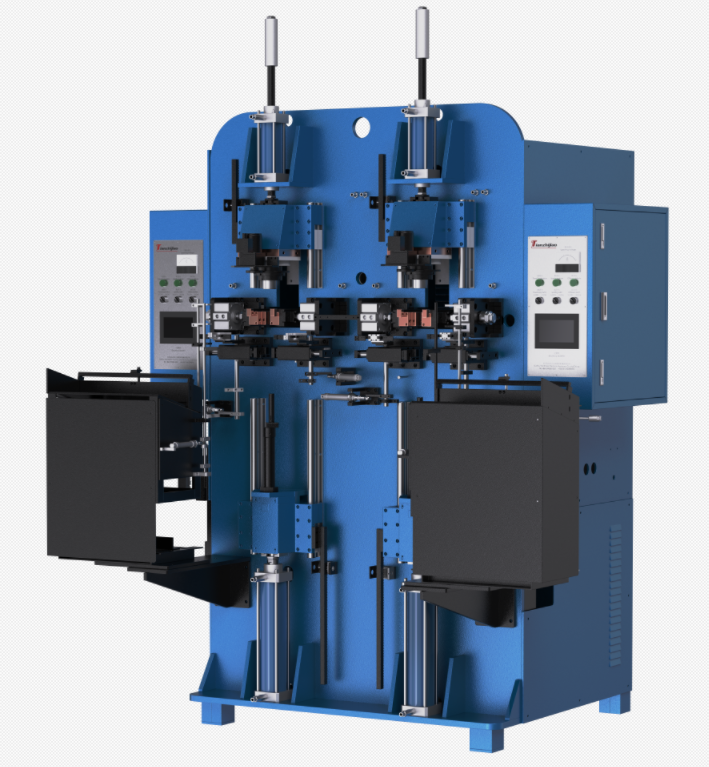
Selecting the ideal Hydraulic Electrical Upsetting Machine depends on several important factors to ensure it fits your production needs and maximizes efficiency:
● Workpiece Size and Shape: Consider the diameter and length of the bars you'll be upsetting. Machines vary in their capacity to handle different sizes, from small shafts to large flanges.
● Heating Length and Temperature Control: Choose a machine that offers adjustable heating lengths and precise temperature control. This flexibility helps in processing various metals and shapes without overheating or underheating.
● Hydraulic Pressure and Force Capacity: The machine must provide sufficient hydraulic force to deform the heated section properly. Check the maximum pressure rating and stroke length to match your material and product requirements.
● Automation and Control Systems: Modern machines often include PLC and AI-based controls for accurate synchronization of heating and pressing. This improves repeatability and reduces operator error.
● Energy Efficiency: Look for models with closed-type resistance instant-heating systems and efficient transformers to minimize power consumption.
● Safety Features: Ensure the machine has electric-shock protection, ergonomic design, and visual safety cues to protect operators.
● Maintenance and Spare Parts Availability: Machines with modular components and readily available spare parts reduce downtime and maintenance costs.
● Production Volume and Speed: High-volume production demands machines with faster cycle times and automation options like robotic loading/unloading.
Hydraulic Electrical Upsetting Machines can often be customized to meet specific manufacturing needs. Customization options include:
● Adjustable Heating Zones: Machines can be tailored to heat different sections of the bar depending on the part design.
● Variable Upset Sizes: The machine can be configured to produce a range of upset diameters and lengths, accommodating diverse product lines.
● Orientation and Configuration: Choose between vertical or horizontal machine types based on factory layout and workflow.
● Integration with Other Equipment: Custom systems can include robotic arms for loading/unloading or linking with downstream forging and machining stations.
● Control Software Customization: Customized control algorithms can optimize heating current and hydraulic pressure for specific materials, improving quality and reducing waste.
This flexibility allows manufacturers to adapt the machine to evolving product designs or scale production without investing in new equipment.
When choosing a Hydraulic Electrical Upsetting Machine, provide detailed specifications of your workpieces and production goals to suppliers to receive a tailored solution that maximizes efficiency and quality.
Operating a Hydraulic Electrical Upsetting Machine involves a series of coordinated steps to ensure precise and safe metal forming:
1. Parameter Setup: Begin by entering the required data, including heating current, heating time, hydraulic pressure, and upsetting speed into the machine’s control system. Modern machines often use PLC or AI-based controls for accuracy.
2. Loading the Workpiece: Place the metal bar into the clamping electrodes or mold. Ensure it is securely fixed to maintain good electrical contact and avoid slippage during operation.
3. Clamping: The upper and lower electrodes clamp the workpiece firmly. Auxiliary molds or clamps may engage to hold the bar in place tightly.
4. Electrical Heating: Initiate the electrical current flow through the targeted section of the bar. The current heats the metal internally by resistance, raising its temperature to the plastic state required for deformation.
5. Hydraulic Upsetting: Once the metal reaches the set temperature, the hydraulic piston moves forward, applying axial pressure. This compresses and expands the heated section, forming the upset shape.
6. Anvil Adjustment: The anvil or bottom seat retracts as the upset diameter grows, allowing material to flow freely and preventing damage.
7. Completion of Upsetting: The hydraulic piston completes its stroke, and the upset shape is formed with precise control over dimensions and grain flow.
8. Cooling and Unloading: After upsetting, the machine releases the clamps, and the workpiece is removed for cooling or further processing.
9. Repeat Cycle: The operator resets parameters if necessary and loads the next workpiece for continuous production.
Safety is paramount when operating these machines due to the involvement of high electrical currents and hydraulic forces:
● Electrical Safety: Always ensure the machine’s electric-shock protection systems are active. Avoid contact with live electrodes or wiring during operation.
● Proper Training: Operators must be trained on the control system and emergency stop procedures.
● Protective Gear: Use insulated gloves and safety glasses to protect against electrical hazards and flying debris.
● Regular Maintenance: Inspect electrodes, hydraulic lines, and electrical components regularly to prevent malfunctions.
● Clear Work Area: Keep the operating zone free of obstructions and unauthorized personnel.
● Emergency Stops: Familiarize yourself with emergency stop buttons and procedures to quickly halt the machine if needed.
● Avoid Overloading: Do not exceed the machine’s rated capacity for bar size or hydraulic pressure.
● Monitor Parameters: Continuously monitor heating current, temperature, and hydraulic pressure to detect abnormalities early.
● Lockout/Tagout: Follow lockout/tagout protocols during maintenance or repairs to prevent accidental startup.
Following these steps and precautions ensures efficient, high-quality upsetting while protecting operators and equipment.
Always verify electrode contact quality before starting to maintain consistent heating and prevent electrical faults during upsetting.
Hydraulic Electrical Upsetting Machines offer precise metal shaping, energy efficiency, and reduced material waste. They enhance production quality with uniform grain flow and minimal defects. Future innovations may include advanced automation and AI integration for even greater efficiency. Companies like JiaNuoHao provide these machines, ensuring superior performance and cost savings for manufacturers seeking high-quality forged parts. Their commitment to innovation and customer service makes them a valuable partner in the metal fabrication industry.
A: A Hydraulic Electrical Upsetting Machine uses electrical heating and hydraulic pressure to shape metal bars, ensuring uniform temperature and precise deformation.
A: It heats a metal bar using electrical resistance, then applies hydraulic pressure to deform the heated section into the desired shape.
A: It offers energy efficiency, material savings, and superior mechanical properties compared to traditional forging methods.
A: They provide precise shaping, reduced material waste, and improved product quality with minimal environmental impact.


