Views: 0 Author: Site Editor Publish Time: 2025-11-06 Origin: Site


Imagine doubling your production output without doubling your equipment costs. How? Enter the Double Station Electrical Upsetting Machine. This machine is revolutionizing manufacturing with its dual-station design. It enhances productivity and efficiency. In this post, you'll learn what makes this machine essential in modern manufacturing. Discover its key features and benefits.
The Double Station Electrical Upsetting Machine stands out by featuring two operational stations. This design allows it to process two parts simultaneously, doubling productivity compared to single-station machines. Operators can load and unload parts on one station while the other is actively forging, minimizing downtime. This setup is ideal for high-volume manufacturing environments where efficiency is critical. By running two forging processes at once, manufacturers can meet tight deadlines and increase output without needing additional machines.
Durability and precision begin with the machine's core structure. The upsetting machine is built using a robust steel plate welded frame. This sturdy construction ensures the machine maintains accuracy during intense forging operations. The steel frame undergoes precise machining to guarantee alignment and stability, which reduces vibration and wear. This structure supports the heavy forging forces and repeated cycles, extending the machine's service life. A reliable frame means less maintenance and consistent quality in every forged part.
The machine integrates advanced hydraulic and electrical control systems for smooth and precise operation. The hydraulic system supplies consistent forging force through a medium-pressure oil circuit, powered by a reliable vane pump. It uses proportional pressure regulators for fine pressure adjustments, ensuring each part is forged with exact force requirements.
On the electrical side, the machine employs a Mitsubishi PLC with a touchscreen interface for easy parameter setting and real-time monitoring. Operators can adjust forging stroke, heating voltage, and cycle modes (manual, semi-auto, auto) to match production needs. The electrical system also controls the heating transformer with stepless voltage regulation, maintaining optimal temperatures for metal forming. Combined, these systems provide automation, accuracy, and user-friendly control, enhancing overall operational efficiency.
The Double Station Electrical Upsetting Machine delivers a powerful forging force of 190 KN. This force is crucial for shaping tough materials like engine valve rods and other metal components. The high forging force ensures the machine can handle demanding jobs, producing parts with precise dimensions and excellent structural integrity. It enables deformation of metals efficiently, reducing the cycle time per part while maintaining quality. The 190 KN force is generated by a medium-pressure hydraulic system that provides consistent, controlled power throughout the upsetting process.
One standout feature is the adjustable stroke settings on the forging cylinder. The forging cylinder can move up to 600 mm, allowing operators to customize the stroke length according to the size and shape of the workpiece. This flexibility accommodates various production requirements, from small components to longer rods up to 800 mm in length. Adjusting the stroke helps optimize the forging process, ensuring the metal heats and deforms correctly without overworking the machine or material. The machine also features adjustable strokes for the anvil cylinder (up to 300 mm) and clamping cylinder (up to 50 mm), enhancing precision during clamping and upsetting.
The machine is designed to process a wide range of rod diameters, typically from 16 mm to 26 mm, making it versatile for different manufacturing needs. It supports engine valve rods and other rod components used in automotive, aerospace, and general manufacturing industries. Its robust clamping and anvil systems can securely hold different shapes and sizes, ensuring consistent forging results. The electrical control system allows easy parameter adjustments to match the specific rod material and dimensions, improving quality and reducing waste.
Hydraulic System: Uses a vane pump supplying oil through a medium-pressure circuit with proportional pressure regulators for fine control.
Electrical Control: Mitsubishi PLC with touchscreen interface enables real-time monitoring, stroke control via encoder, and multiple operation modes (manual, semi-auto, auto).
Heating System: Equipped with a 30 KVA single-phase transformer and SCR voltage regulator for stepless voltage adjustment, maintaining optimal metal temperature.
Cooling System: Efficient water cooling for electrodes and hydraulic oil, ensuring stable operation under continuous use.
| Specification | Value | Unit |
|---|---|---|
| Max Forging Force | 190 | KN |
| Max Forging Cylinder Stroke | 600 | mm |
| Max Anvil Cylinder Stroke | 300 | mm |
| Max Clamping Cylinder Stroke | 50 | mm |
| Rod Diameter Range | 16 - 26 | mm |
| Max Rod Length | 800 | mm |
| Heating Power | 70 (2 sets) | KVA |
| Hydraulic Pressure | 16 | MPa |
This combination of robust force, adjustable stroke, and versatile compatibility makes the Double Station Electrical Upsetting Machine a highly capable tool for precision forging tasks.
Tip: Regularly verify stroke settings and forging force calibration to ensure consistent product quality and prevent machine wear.
One of the standout advantages of the Double Station Electrical Upsetting Machine is its ability to process two parts simultaneously. This dual-station design effectively doubles output compared to single-station machines. While one station is forging a part, operators can load or unload the other station, minimizing idle time. This continuous workflow boosts production rates, making it especially valuable in high-demand manufacturing settings. The simultaneous operation not only speeds up manufacturing but also optimizes labor use, reducing the need for extra personnel or additional machines.
Precision is critical in forging, and this machine excels in delivering consistent, high-quality results. The integrated hydraulic and electrical control systems ensure that each part receives the exact forging force and heating temperature needed. The Mitsubishi PLC controller enables real-time adjustments and monitoring, maintaining tight tolerances throughout production runs. Consistency reduces scrap rates and rework, saving materials and time. This precision is particularly important for components like engine valve rods, where dimensional accuracy affects performance and safety.
The machine’s electrical upsetting technology offers notable energy savings compared to traditional hydraulic-only systems. It uses a medium-pressure hydraulic circuit powered by an efficient vane pump, combined with stepless voltage regulation for heating. This setup reduces power consumption while maintaining strong forging force. The dual-station configuration further enhances cost-effectiveness by doubling throughput without doubling energy use. Manufacturers benefit from lower operating costs and faster return on investment. Additionally, reduced cycle times and less machine wear contribute to long-term savings.
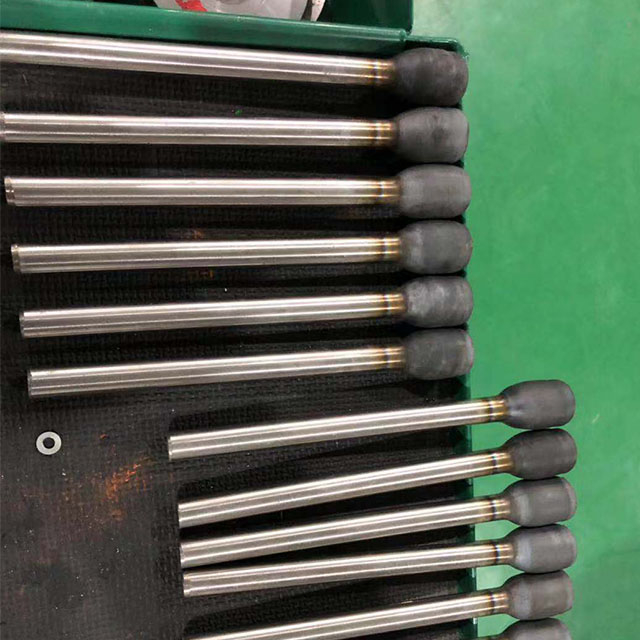
The Double Station Electrical Upsetting Machine plays a vital role in automotive manufacturing. It efficiently forges engine valve rods, a critical component for engine performance and durability. The machine’s precise control over forging force and temperature ensures each valve rod meets strict quality standards. Its dual-station design boosts production capacity, helping manufacturers meet high demand without compromising consistency. Additionally, the machine can handle various rod diameters common in automotive parts, making it versatile for different vehicle models. This reliability and efficiency reduce downtime and improve overall production workflows.
In aerospace, precision and material integrity are paramount. The Double Station Electrical Upsetting Machine supports the production of high-strength rod components used in aircraft engines and structural assemblies. Its adjustable stroke and powerful 190 KN forging force allow it to shape complex parts with tight tolerances. The electrical control system maintains consistent heating and force, critical for aerospace-grade materials that require careful handling. The machine’s ability to process two parts simultaneously also accelerates production schedules, which is crucial in an industry where time-to-market matters. Its robust construction ensures long-term reliability under continuous operation.
Beyond automotive and aerospace, this machine serves various general manufacturing applications. It is ideal for producing valve components, fasteners, and other rod-shaped metal parts across industries. The adjustable stroke settings and compatibility with different rod sizes provide flexibility for diverse manufacturing needs. The machine’s hydraulic and electrical systems work together to deliver consistent quality, reducing scrap rates and material waste. Its energy-efficient design lowers operating costs, making it attractive for manufacturers aiming to optimize production expenses. Whether for small batch runs or high-volume orders, the machine adapts to different production demands.
The main difference between single and double station upsetting machines lies in productivity. Single station machines handle one workpiece at a time, which limits output. Operators must wait for the forging cycle to finish before loading or unloading parts, causing downtime.
Double station machines, like the Double Station Electrical Upsetting Machine, feature two operational stations. While one station forges a part, the other is available for loading or unloading. This setup significantly reduces idle time and nearly doubles production capacity. It suits high-volume manufacturing environments where efficiency and speed matter.
Moreover, double station machines improve workflow balance. Operators can alternate between stations, maintaining a steady pace and avoiding bottlenecks. This is especially helpful in industries with tight deadlines or large batch sizes.
However, double station machines usually require a larger footprint and higher initial investment than single station units. Maintenance can be more complex due to the additional components. But the gains in throughput and operational efficiency often justify these factors.
Hydraulic upsetting machines rely solely on hydraulic pressure to deliver forging force. They use pumps, valves, and cylinders to apply compressive force on heated metal parts. These machines are robust and widely used but can consume more energy and have slower response times.
Electrical upsetting machines combine hydraulic power with electrical controls and heating. The Double Station Electrical Upsetting Machine uses a medium-pressure hydraulic circuit powered by a vane pump, controlled by advanced electrical systems like Mitsubishi PLC. This integration offers several advantages:
Precise Control: Electrical systems enable fine adjustments of forging force, stroke length, and heating voltage. This precision results in consistent part quality and reduced scrap.
Energy Efficiency: Electrical control of heating and hydraulic pressure reduces energy consumption compared to purely hydraulic machines. Stepless voltage regulation optimizes power use.
Automation: Programmable control systems allow semi-automatic or fully automatic operation, improving repeatability and reducing operator fatigue.
Real-Time Monitoring: Operators can track process parameters live, making quick adjustments to maintain quality and efficiency.
Hydraulic-only machines may be simpler and less expensive upfront but lack the advanced control and efficiency of electrical upsetting machines. Electrical upsetting machines suit manufacturers aiming for high precision, energy savings, and automation.
Proper maintenance is essential to keep the Double Station Electrical Upsetting Machine running smoothly and extend its service life. Regular inspections help detect wear and prevent unexpected breakdowns. Key maintenance tasks include:
Hydraulic System Checks: Inspect hydraulic oil levels and quality frequently. Replace oil according to manufacturer recommendations to avoid contamination. Check hoses, valves, and the vane pump for leaks or damage. Clean or replace filters regularly to maintain consistent oil flow and pressure.
Electrical System Inspection: Examine wiring, connectors, and the Mitsubishi PLC controller for signs of wear or loose connections. Ensure the touchscreen interface functions properly. Regularly test sensors and encoders that control stroke and position to maintain accuracy.
Heating System Maintenance: Verify the transformer and SCR voltage regulator operate correctly. Clean cooling water channels for electrodes to prevent overheating. Replace worn electrodes and alloy conductive blocks to ensure efficient heating and electrical conduction.
Mechanical Component Care: Lubricate moving parts such as guide columns, guide blocks, and cylinders as specified. Check the steel plate welded structure for cracks or deformation. Tighten bolts and fasteners to maintain machine stability.
Calibration and Testing: Periodically calibrate the hydraulic pressure, forging force, and stroke lengths. This ensures the machine maintains precision and consistent forging quality.
Scheduling maintenance during planned downtimes avoids production interruptions. Keeping detailed maintenance logs helps track wear patterns and plan component replacements proactively.
Operating the Double Station Electrical Upsetting Machine safely protects workers and equipment. Key safety practices include:
Operator Training: Ensure all operators receive thorough training on machine controls, emergency stops, and safe handling procedures. They should understand the risks associated with high forging forces and electrical components.
Protective Gear: Operators must wear appropriate personal protective equipment (PPE) such as gloves, safety glasses, and hearing protection to guard against hot metal, sparks, and noise.
Emergency Stop Systems: The machine is equipped with emergency stop buttons accessible from both stations. Operators should test these regularly and know how to use them in case of malfunction or hazard.
Guarding and Barriers: Physical guards should be in place around moving parts, electrodes, and hydraulic cylinders to prevent accidental contact. Safety interlocks can prevent machine operation if guards are open.
Electrical Safety: Regularly inspect electrical panels and wiring for insulation integrity. Ground the machine properly to avoid electrical shocks. Only qualified personnel should perform electrical repairs.
Hydraulic Safety: High-pressure hydraulic systems require careful handling. Check hoses and fittings for leaks. Release hydraulic pressure before maintenance to prevent accidents.
Work Area Organization: Keep the area around the machine clean and free of obstructions. Proper lighting and clear signage enhance safety.
By following these maintenance and safety protocols, manufacturers can ensure reliable operation, minimize downtime, and protect personnel from injury.
The Double Station Electrical Upsetting Machine enhances productivity with dual stations, robust construction, and precise controls. Its energy efficiency and versatility make it ideal for various industries. Looking ahead, its advanced features position it as a key player in high-demand manufacturing sectors. The machine's ability to deliver consistent quality and reduce costs highlights its value. By choosing Jianuohao, manufacturers gain a reliable partner in achieving operational excellence and meeting production goals effectively.
A: A Double Station Electrical Upsetting Machine is a forging device with two operational stations, allowing simultaneous processing of two parts to enhance productivity and efficiency in manufacturing.
A: By processing two parts simultaneously, it doubles the output compared to single-station machines, reducing downtime and increasing overall production capacity.
A: It combines hydraulic power with electrical controls, reducing energy consumption and optimizing power use through precise adjustments and stepless voltage regulation.
A: It is beneficial for automotive, aerospace, and general manufacturing industries, efficiently producing rod components with precision and consistency.
A: The machine uses advanced hydraulic and electrical control systems, enabling precise adjustments for forging force, stroke length, and heating voltage, ensuring consistent quality.


