Views: 0 Author: Site Editor Publish Time: 2025-09-13 Origin: Site


Are you looking for a machining method that guarantees precision? CNC grinding is the answer. This specialized process ensures tight tolerances and smooth finishes.
In this guide, we'll explore CNC valve grinding, machine setup, and its wide applications. You'll also learn about the benefits, challenges, and processes of CNC grinding.
CNC grinding involves using a computer-controlled abrasive tool to remove material from a workpiece. Unlike traditional grinding, which relies on manual operation, CNC grinding machines are automated, offering greater precision, repeatability, and efficiency.
One of the most common applications of CNC grinding is in industries where high precision is necessary—such as in the creation of CNC valve grinding components. Valves, crucial to engines and machinery, require precise dimensions and finishes, which can be efficiently achieved through CNC grinding.
Automation: CNC grinding machines are fully automated, requiring minimal human intervention.
Precision: Achieves tolerances within microns, making it ideal for components like valves, bearings, and gears.
Efficiency: CNC machines can work continuously, reducing downtime and increasing production speed.
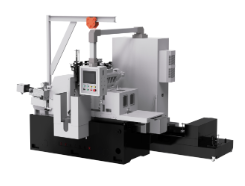
CNC valve grinding is a critical application within the machining industry. The process focuses on grinding valve surfaces to tight tolerances and smooth finishes. Valves are integral to many industries, such as automotive, aerospace, and power generation. The need for precision in valve grinding cannot be overstated, as even slight imperfections can lead to malfunctions or decreased efficiency.
CNC Programming: Using CAD (Computer-Aided Design) and CAM (Computer-Aided Manufacturing) software, engineers create precise instructions for the CNC machine.
Grinding: The machine follows these instructions to remove material and shape the valve to its required specifications.
Finishing: Valve surfaces are polished to meet stringent surface finish requirements.
Benefits of CNC Valve Grinding:
Achieves precise valve seat and face geometry.
Ensures high surface quality and improved sealing performance.
Reduces wear and tear in high-stress environments.
CNC valve grinding plays a vital role in:
Automotive: Ensuring engine valves perform optimally under high pressure and temperature.
Aerospace: Manufacturing valves for fuel and hydraulic systems that must meet strict safety standards.
Energy: Producing valves for power plants that can withstand extreme conditions.
Tip: Consistent valve grinding through CNC machinery ensures long-term performance and minimizes the need for frequent maintenance.
Setting up a CNC grinding machine is a crucial step in achieving optimal performance. A well-configured machine ensures that each part is produced to specification, minimizing errors and waste.
Choosing the Right Grinding Wheel: The material of the grinding wheel should match the material being ground, ensuring effective cutting and finishing.
Machine Calibration: Ensure the CNC machine is calibrated to the required dimensions before starting the grinding process.
Tool Selection: Depending on the complexity of the part, different tools may be needed for precision grinding.
Step 1: Load the program into the CNC machine.
Step 2: Install the correct grinding wheel and set the workpiece in place.
Step 3: Calibrate the machine, adjusting the axes to ensure precise alignment.
Step 4: Run a test cycle to ensure everything is functioning as expected.
Step 5: Begin the actual grinding process, making sure to monitor the machine for any adjustments needed.
Tip: Regular maintenance and calibration of CNC grinding machines ensure that they operate at peak efficiency, reducing the likelihood of production delays.
CNC grinding is widely used because it delivers several key benefits in precision machining, making it an essential technique for industries requiring high-performance components.
High Precision: Achieves tight tolerances, essential for parts like valves, bearings, and gears.
Repeatability: CNC machines ensure that each part is produced consistently, making it ideal for high-volume production.
Flexibility: CNC grinding can be used on a wide range of materials, from metals to ceramics, offering versatility in manufacturing.
Cost Efficiency: Though the initial investment may be higher, CNC grinding reduces labor costs and increases production speed, leading to lower overall costs in the long run.
Automotive: CNC grinding is used to manufacture engine components, including valves, gears, and shafts.
Medical: Precision grinding of medical devices such as implants and surgical tools.
Aerospace: Critical components such as turbine blades and valve systems for engines.
Toolmaking: CNC grinding ensures that cutting tools are sharp, precise, and durable.
Tip: Utilizing CNC grinding for complex geometries and tight tolerances helps industries produce higher-quality products with fewer defects.
While CNC grinding is a powerful tool, it does come with its set of challenges. Understanding these challenges and knowing how to mitigate them is essential to achieving high-quality parts.
Material Hardness: Harder materials, such as titanium or certain alloys, can wear down grinding tools quickly.
Thermal Expansion: The heat generated during grinding can cause the workpiece to expand, affecting precision.
Tool Wear: Over time, the grinding wheel can lose its sharpness, requiring frequent replacements.
Tool Selection: Use diamond or CBN (cubic boron nitride) wheels for grinding tough materials.
Cooling Systems: Implement coolant systems to reduce heat buildup and prevent thermal expansion.
Tool Maintenance: Implement a predictive maintenance schedule to replace worn tools before they impact production.
Tip: Regular monitoring and maintenance of CNC grinders can significantly reduce downtime and improve part quality.
CNC grinding plays a vital role in precision machining. It offers exceptional accuracy and repeatability across industries. From CNC valve grinding to complex geometries, this method ensures high-quality components with strict tolerances. With proper setup, tool selection, and maintenance, CNC grinding boosts efficiency and reduces production costs.
By understanding CNC grinding’s processes, benefits, and challenges, manufacturers can enhance their production lines. This allows them to deliver better products to customers, improving overall performance.
Tianzhijiao Machinery helps manufacturers achieve superior results with advanced valve grinding machines.
A: CNC valve grinding is a specialized form of CNC grinding that focuses on the precision grinding of valves. It is crucial for producing components with tight tolerances and excellent surface finishes.
A: Setting up a CNC grinding machine involves choosing the right tools, adjusting settings for the desired precision, and ensuring proper alignment of the machine components. A proper CNC grinding machine setup ensures optimal results.
A: CNC valve grinding ensures high accuracy in the grinding process of engine valves, ensuring they meet strict specifications for performance and durability.


